How to Clean Prosthetic Limbs

While prosthetic limbs don't have skin that sweats or sheds, they still require regular cleaning to work as they should, prevent discomfort, and keep you healthy. Daily wear exposes prosthetic artificial limbs to dirt, bacteria, and body oils that can break down materials over time. At Durrett's Orthotics & Prosthetics, we explain our cleaning protocols to our clients, emphasizing how they extend the life of prosthetics and keep owners comfortable throughout the day.
Prosthetic Limb Form, Finish, and Function
Different parts of a prosthetic limb require different cleaning approaches. The socket (where your residual limb fits onto your body) demands the most attention because it stays in direct contact with your skin. External components such as knee joints, ankle mechanisms, and cosmetic covers require gentler care to preserve their finish and functionality.
Prosthetic Artificial Limb Daily Cleaning Basics
Start each day with a fresh socket. The first step is to use mild, unscented soap and warm water on a soft cloth to wipe down the interior surface. Harsh chemicals can degrade the materials, so stick with gentle cleansers. After wiping, dry the socket thoroughly with a clean towel, because moisture creates an environment where bacteria thrive.
Never submerge your prosthetic in water unless it's specifically designed for aquatic use. Water can seep into mechanical parts and electrical components, causing rust or malfunction. Skip abrasive cleaners, bleach, or acetone-based products, as these substances can crack plastics and fade cosmetic finishes. And since excessive scrubbing wears down protective coatings, use gentle pressure instead.
Cleaning Different Types of Prosthetic Limbs
How to Clean a Prosthetic Leg
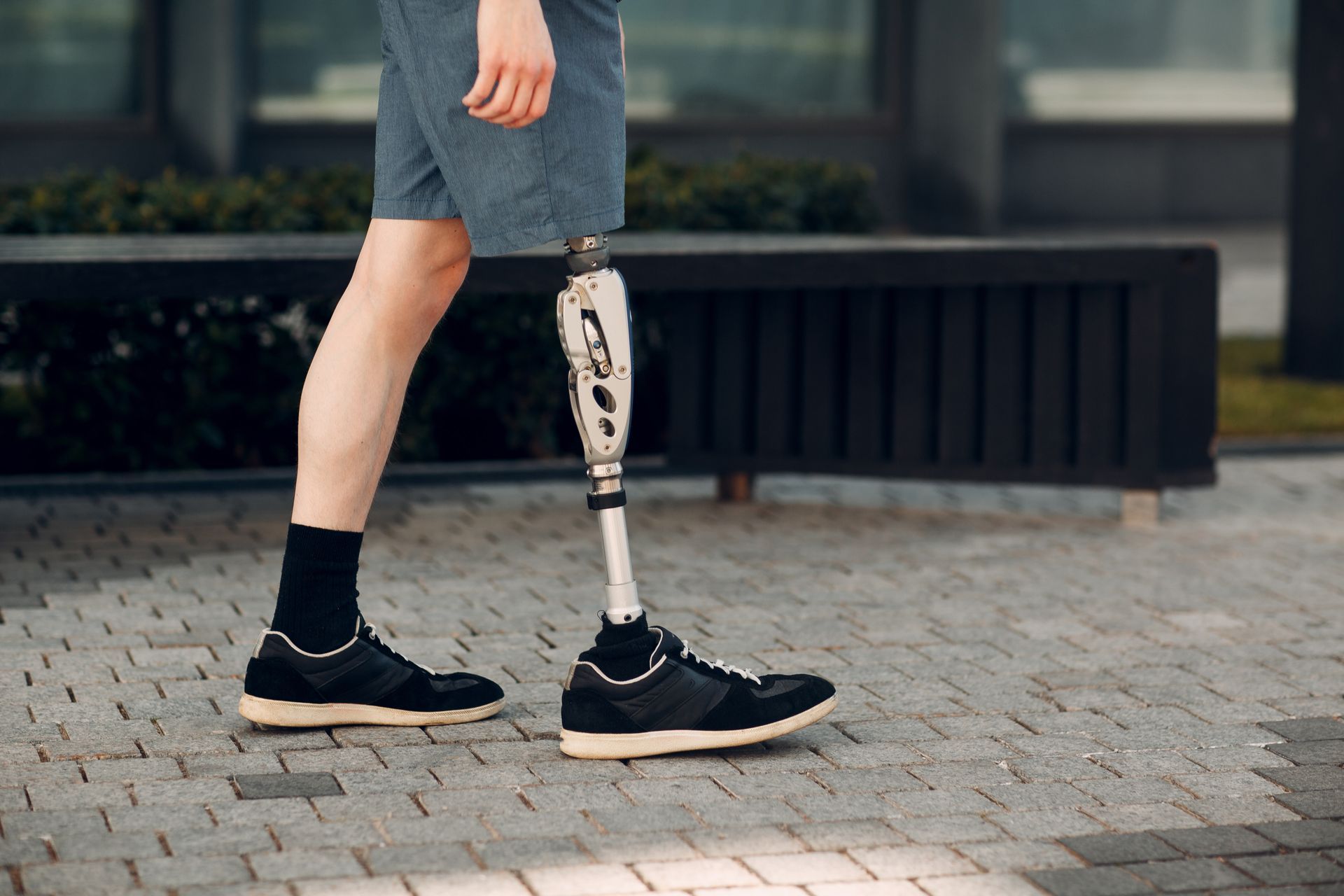
Leg prosthetics require extra attention to areas where sweat accumulates, such as the back of the knee and the ankle. A cotton swab dipped in rubbing alcohol can reach tight spaces around mechanical joints, but avoid getting alcohol on any fabric or foam components. And since leg prosthetics are exposed to more environmental factors, remove any visible debris after walks or sports. A slightly damp cloth works well for everyday cleaning, while stubborn marks may require a diluted solution of dish soap.
How to Clean a Prosthetic Arm
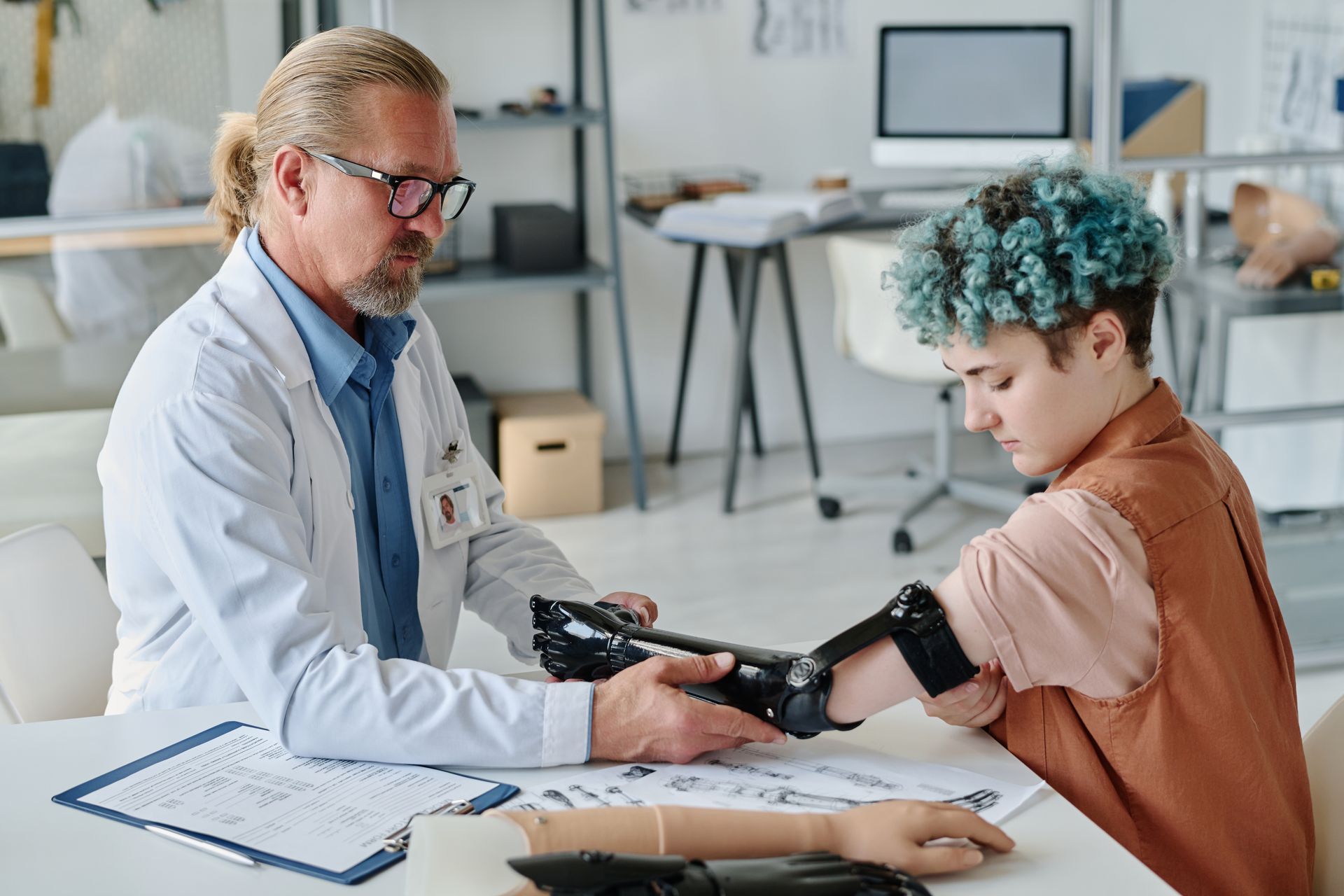
Arm prosthetics accumulate dirt and grime from being in contact with countless objects throughout the day. Wipe down the forearm shell and elbow components with a damp cloth after activities that expose them to grease or dirt. Don’t ignore the elbow joint and harness straps, as these areas collect sweat and oils from your skin.
How to Clean a Prosthetic Hand or Foot
Prosthetic hands and feet require focused attention because they constantly come into contact with surfaces. For prosthetic hands, clean between fingers and around the thumb mechanism where debris collects. Then, use a soft-bristled toothbrush with mild soap to gently scrub textured areas that mimic skin patterns.
Prosthetic feet can accumulate dirt from floors, sidewalks, and trails, so wipe down the entire surface after each use, even if they were covered with socks and shoes. Carefully clean the toe area and heel, where grime builds up quickly.
Weekly Deep Cleaning
Once a week, give your prosthetic limbs a more thorough cleaning. Remove the detachable cosmetic covers or socks and hand-wash them according to the manufacturer's guidelines. Most can handle gentle machine washing in a protective bag, but keep them out of the dryer; air drying prevents shrinkage and material damage.
Check all attachment points, straps, and padding during your weekly routine, as these areas collect oils and dead skin cells that regular daily wiping might miss. Replace worn padding promptly because deteriorated cushioning affects comfort and socket fit.
We Are Your Partner in Prosthetic Limb Care
Maintaining your prosthetic artificial limbs isn’t complicated, and we can share even more tips in person. Durrett's can also schedule regular maintenance appointments to keep your prosthetic performing at its best. Contact us for an appointment in Kenton County and Boone County, KY; and Dearborn County, IN.