Prosthetic Limb Care Tips for Winter Months

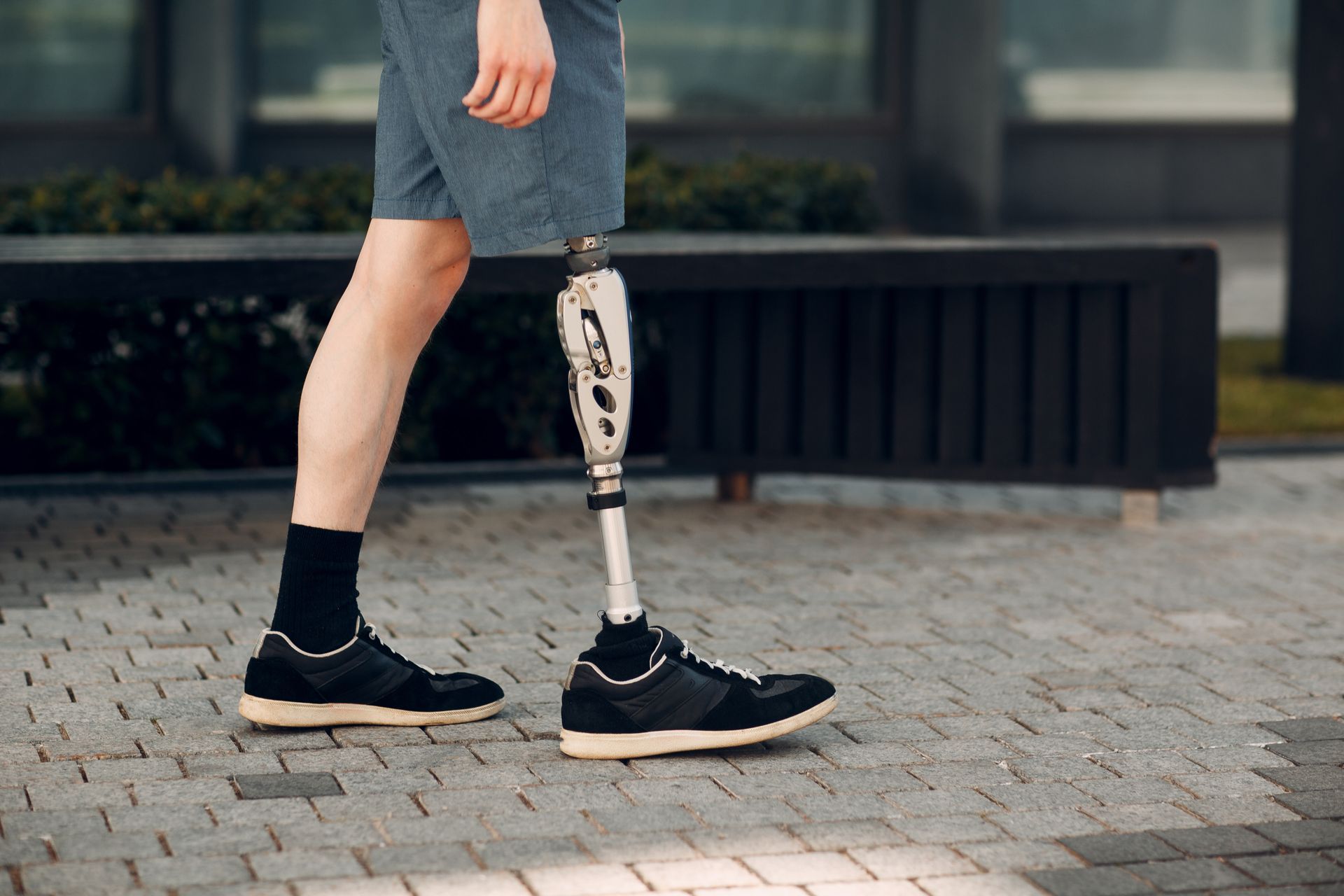
Ask anyone who’s had a prosthetic limb for a while: When it comes to caring for this assistive device, there’s a definite learning curve. And the process varies from season to season, with winter weather presenting certain challenges. Durrett's Orthotics & Prosthetics provides custom prosthetics near Edgewood, KY, and Lawrenceburg, IN, and we know how these changes impact daily life with a prosthesis.
How Cold Weather Affects Prosthetic Limb Parts
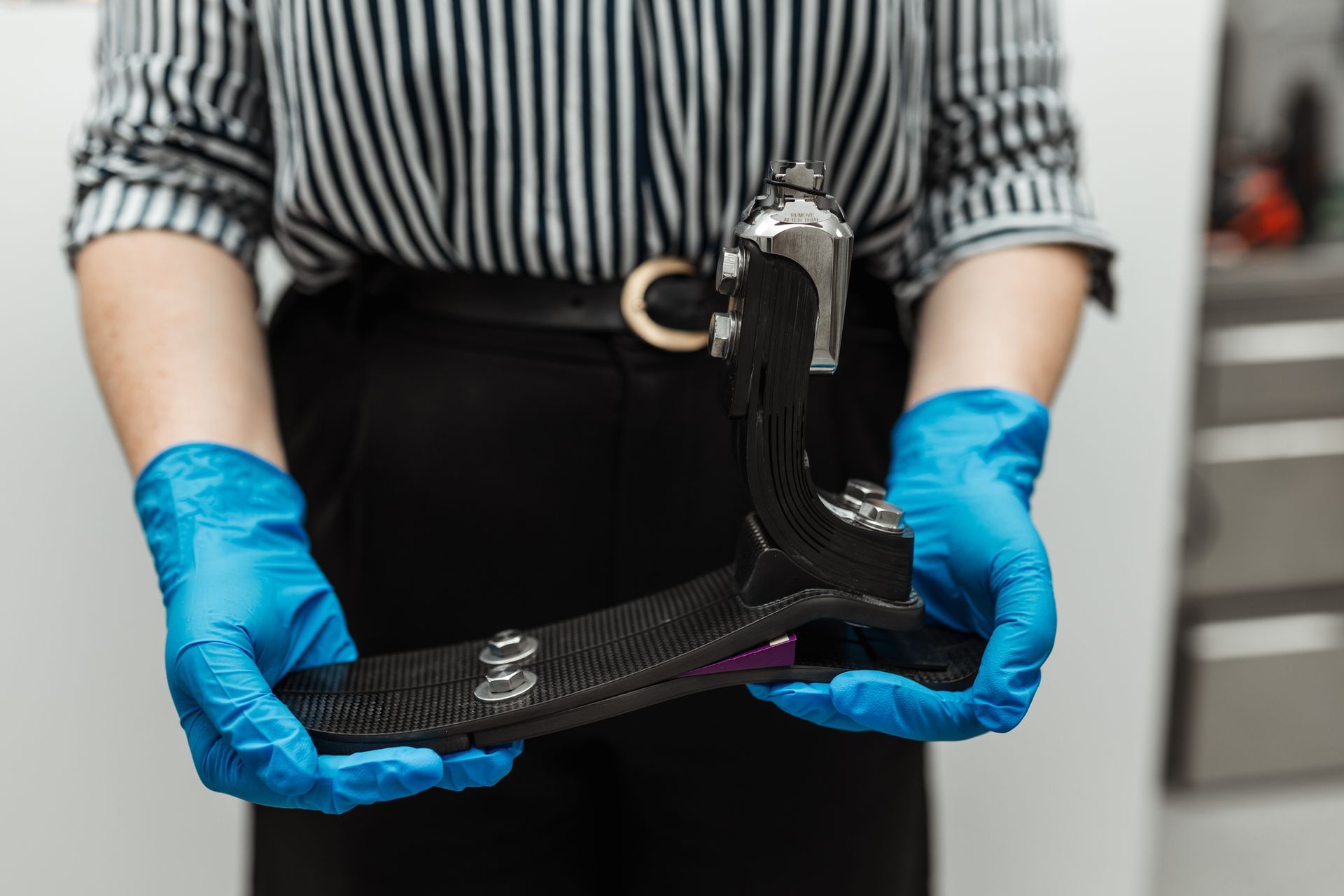
Cold weather impacts prosthetic components in several ways. Metals contract in low temperatures, which can alter fit and alignment; plastic components may become more brittle and susceptible to cracking. Additionally, residual limb volume (the fluctuating size and shape of the remaining part of an amputated limb) often changes due to temperature variations, affecting socket fit.
Daily Prosthetic Limb Care Routines
We strongly recommend following a winter prosthetic limb care routine. Start each morning by inspecting your prosthesis for damage or wear, and check the connection points to confirm everything is secure. Wipe down the surfaces with a slightly damp cloth to remove salt residue from winter roads and sidewalks, as salt corrodes metal components and degrades materials.
Clean the liner daily with mild soap and lukewarm water, since harsh chemicals break down materials faster. Pat dry thoroughly, as moisture trapped in cold conditions leads to bacterial growth. Let your prosthesis reach room temperature before putting the liner back in, and rotate between multiple liners so each one has adequate time to dry. These practices prevent condensation buildup inside the socket.
Protect Your Prosthetic Limb Parts From Moisture
Even when you’re careful about letting the components dry completely, snow melting on your prosthesis creates wet conditions that can damage them. Waterproof covers designed for prosthetic devices during snowy weather can help because they provide protective barriers.
Indoor heating can also be problematic, since sitting near radiators, fireplaces, or heating vents can cause materials to warp or crack. Keep your prosthesis at a comfortable distance from direct heat sources, because rapid temperature changes stress the materials. Also, try to avoid moving quickly from very cold outdoor environments into overheated indoor spaces.
Winter Skin and Residual Limb Care
Winter air dries out anyone’s skin, but with prosthetic limb parts, that means more friction and the risk of irritation. Apply moisturizer to your residual limb each evening after removing your prosthesis, and allow the moisturizer to absorb fully before putting your prosthesis back on.
Check your skin daily for redness and pressure points. Cold weather can actually mask discomfort initially, but small irritations can quickly turn into problems. Extra clothing layers might seem tempting when you’re chilly, but they alter fit and increase pressure. We can recommend fragrance-free, non-greasy lotions and share clothing ideas that won't interfere with socket fit.
When Professional Prosthetic Limb Care Becomes Necessary
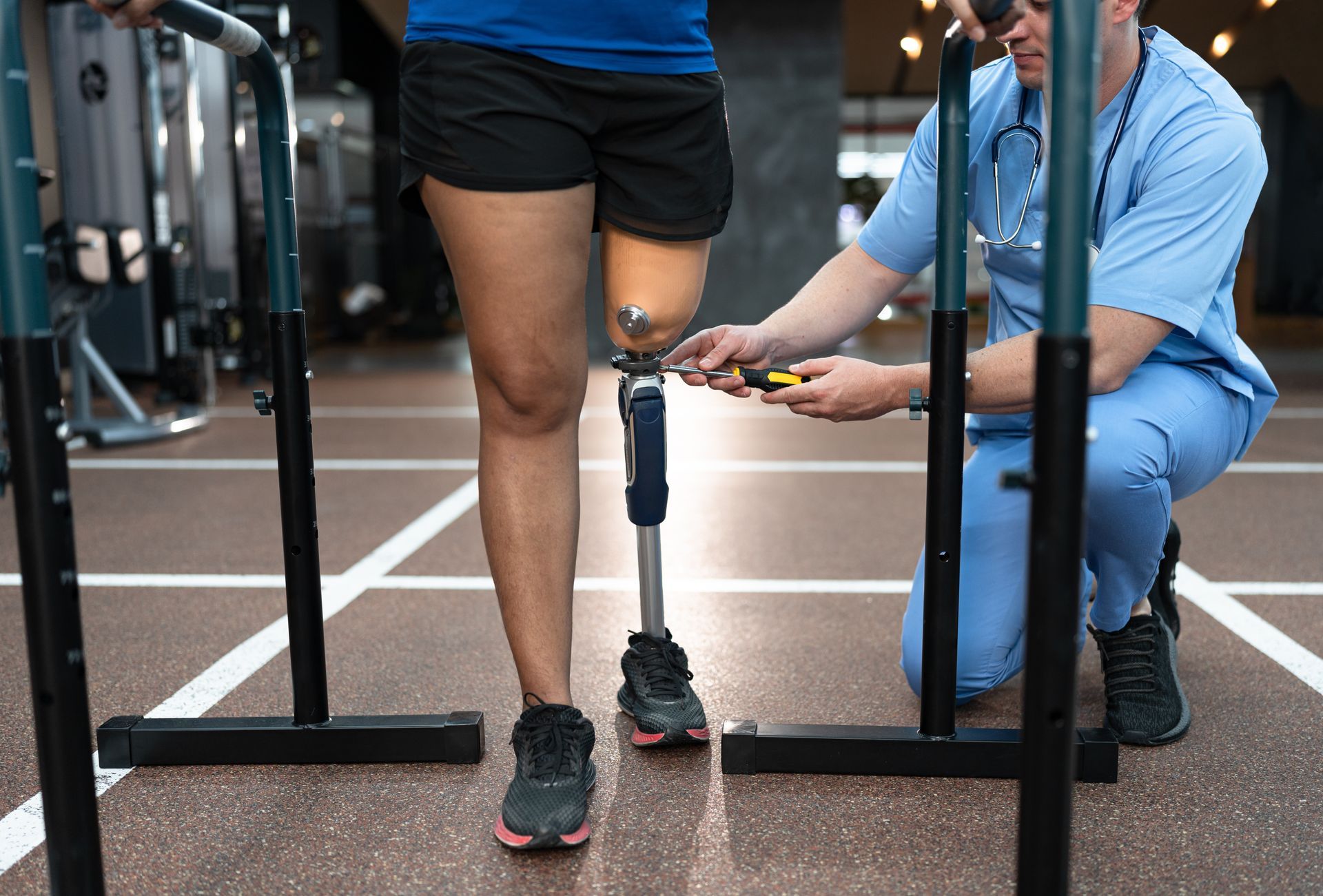
If you’re experiencing skin irritation, fit changes, or mechanical problems, don’t procrastinate. Schedule an appointment with Durrett's Orthotics & Prosthetics if you notice persistent discomfort, unusual sounds, decreased stability, or visible damage to components. Waiting too long leads to compensatory movement patterns that could affect your entire body.
Partner With Durrett’s for Custom Prosthetics Near Edgewood, KY, and Lawrenceburg, IN
Durrett's Orthotics & Prosthetics offers full-service prosthetic limb services, from initial evaluations to seasonal fit recommendations. We’re happy to help you with the specific challenges winter brings and can help you solve any problems before they impact your daily activities. Contact us for an appointment in Kenton County and Boone County, KY; and Dearborn County, IN.