When to Consider Prosthetic Running Legs

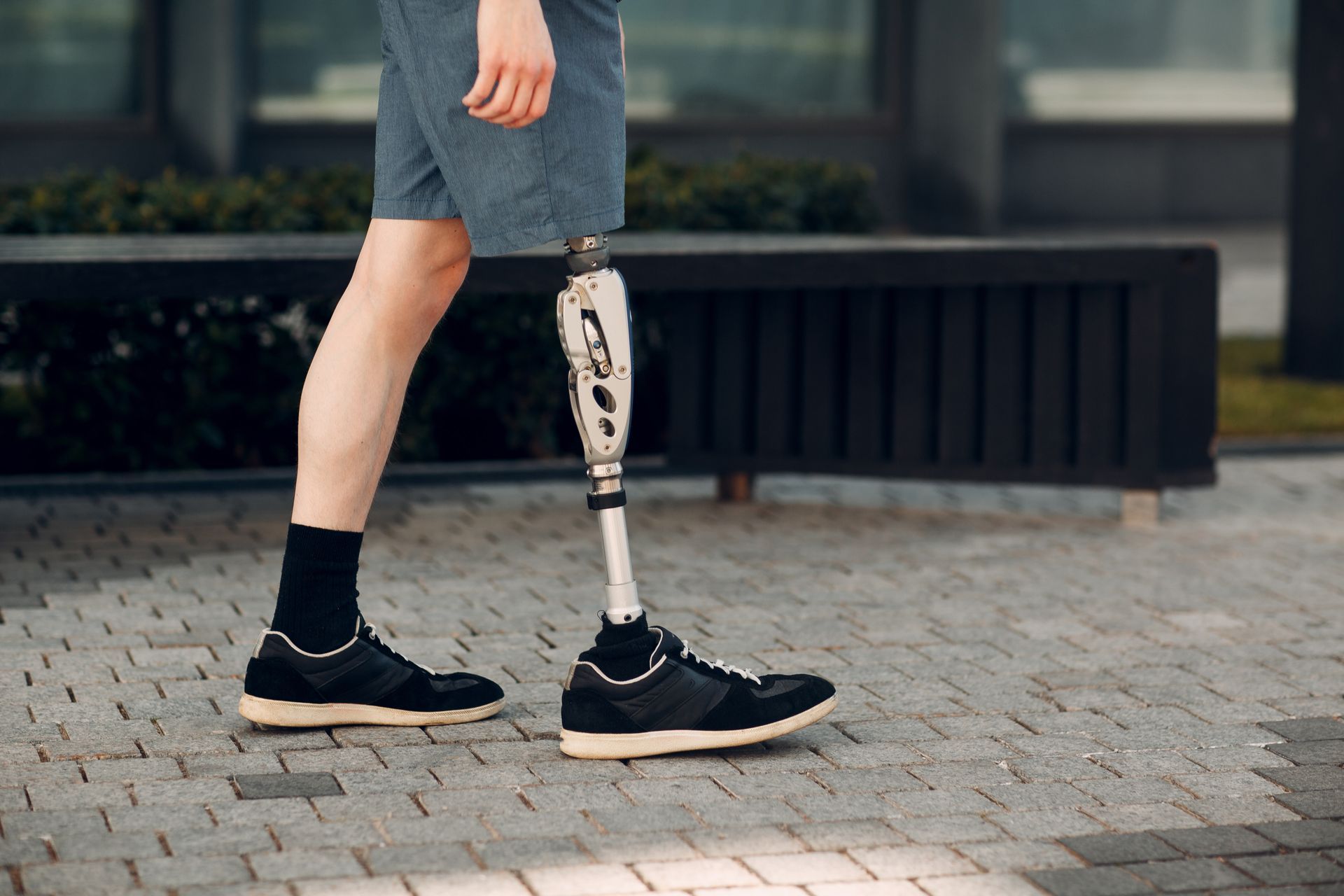
A prosthetic leg designed for walking might be fine for everyday use, but it might not be as well-suited for faster movements. Many Durrett's Orthotics & Prosthetics clients find that out over time: Their mobility goals change, especially as their confidence and activity levels grow.

For those clients, we often suggest getting a prosthetic leg for running. Manufacturers design them for motion and impact, which makes them very different from everyday walking prostheses.
How a Prosthetic Running Leg Differs from Walking Prosthetics
A standard prosthetic leg prioritizes balance and steady movement because daily activities rely on controlled steps and consistent ground contact. It typically offers a heel-to-toe design that promotes stability when the user is standing or walking at a slow or moderate pace.
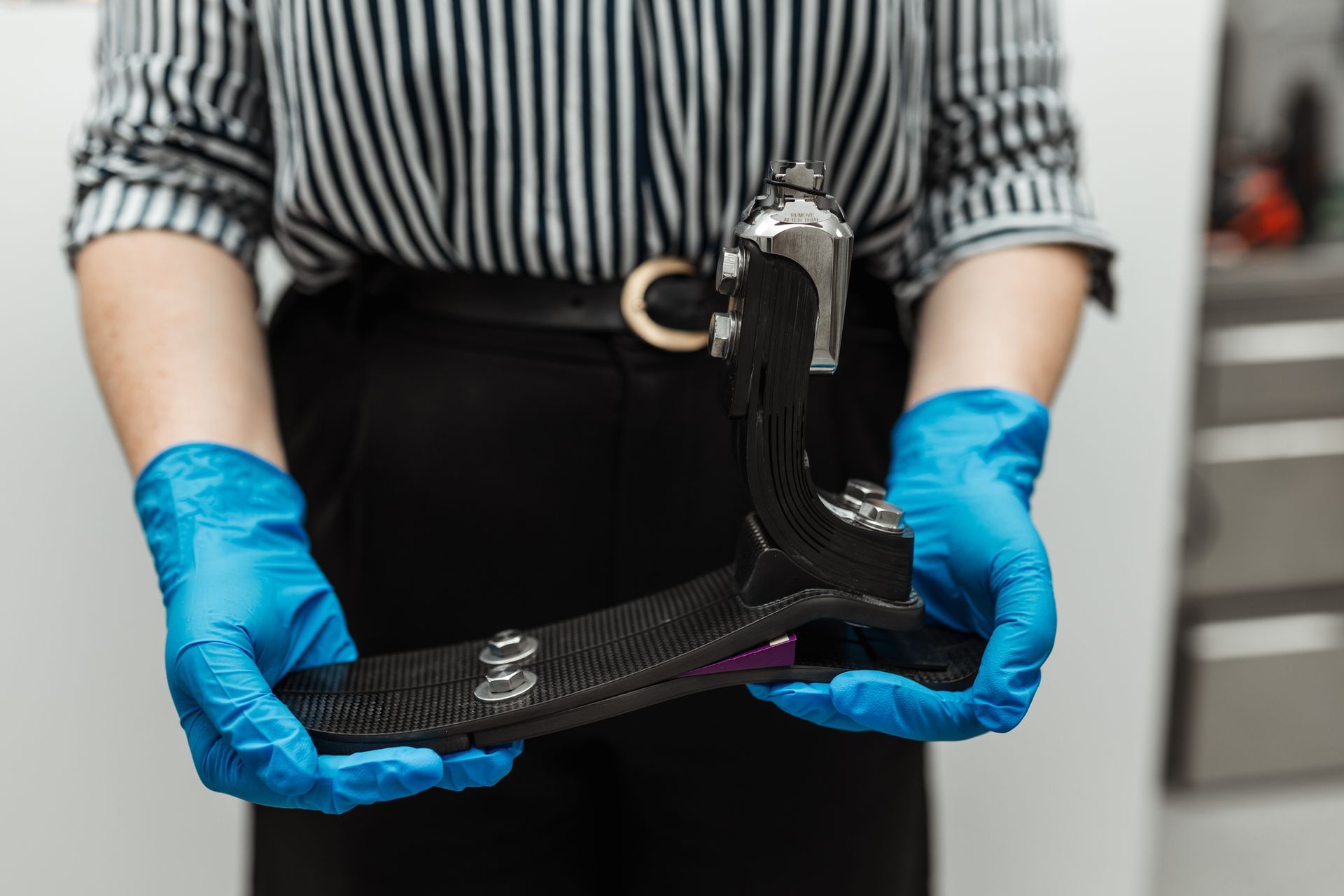
Instead of copying a natural foot strike, a well-fitted running prosthetic leg might have curved carbon-fiber blades that compress under weight and release stored energy during push-off. This spring-like action supports forward motion while reducing repetitive impact on joints. Because running creates forces several times a person’s body weight, these devices prioritize flexibility and energy return over flat-foot stability.
Signs You May Need a Prosthetic Running Leg
To determine whether this specialized prosthetic is right for you, think about your activity level. Many people notice discomfort or instability when they try jogging because walking prostheses cannot handle repeated impact. Trouble keeping a steady pace, faster fatigue, or increased socket pressure during higher-speed movement can indicate that the current device no longer aligns with your activity goals.
If you run for exercise, participate in adaptive sports, or stay active recreationally, you may benefit from a dedicated prosthetic running leg. And think about this: Using a separate device for athletic activity can reduce wear on an everyday prosthesis.
How Prosthetic Legs for Running Are Designed
Carbon fiber construction makes running prostheses lightweight, which reduces strain with every stride. The adjustable alignment allows our experts to fine-tune the gait for different speeds and surfaces, while a well-fitted socket prevents movement that could irritate the skin. Prosthetic running legs also feature secure suspension systems that promote quick starts, stops, and turns, especially on uneven terrain.
We can also explain blade stiffness, another key component. Softer options help newer runners develop balance, while stiffer designs provide more substantial energy return for experienced athletes. Gradually building strength and conditioning is essential here, as muscles and joints respond differently to running mechanics than to walking. This approach also prevents fatigue or injury.
What Affects the Cost of Prosthetic Running Leg Systems?
The cost of prosthetic running legs is higher than that of standard walking devices due to specialized materials and customization. Insurance might cover it, but some providers classify athletic prostheses as recreational rather than medically necessary.
Financial assistance programs, adaptive sports foundations, and community grants sometimes offset these expenses. We can discuss this with you in more detail and help you decide if investing in a running device is the right strategy.
Let’s Schedule Your Prosthetic Running Leg Evaluation
You can enjoy an active lifestyle after limb loss with effective prostheses and professional guidance that align with your real-world goals. Our Durrett's Orthotics & Prosthetics team can evaluate your movement patterns, comfort concerns, and help you come up with a plan. Contact us for an appointment in Kenton County and Boone County, KY; and Dearborn County, IN.