Preparing for a Limb Prosthesis

Losing a limb changes daily routines in ways that are hard to picture until you're living with them. And preparing for a limb prosthesis takes practical planning and steady emotional support. At Durrett's Orthotics & Prosthetics, our team supports patients through every stage of this process, from early fitting conversations to long-term adjustments as the body changes. Knowing what to expect makes a real difference for our clients.
Healing Before a Limb Prosthesis
Healing comes first, no matter which type of device you're preparing for. The residual limb needs time to reduce swelling and settle into a stable shape, often requiring the use of compression garments or shrinkers for several weeks. As swelling decreases, the limb's shape becomes more predictable, allowing your prosthetist to plan a socket that fits properly.
Design Choices That Shape a Limb Prosthesis
Socket fit matters more than almost anything else because a poor fit causes discomfort, no matter how advanced the components are. Suspension systems that keep the prosthesis securely attached range from suction sockets to pin locks, and the right choice depends on activity level and residual limb shape.
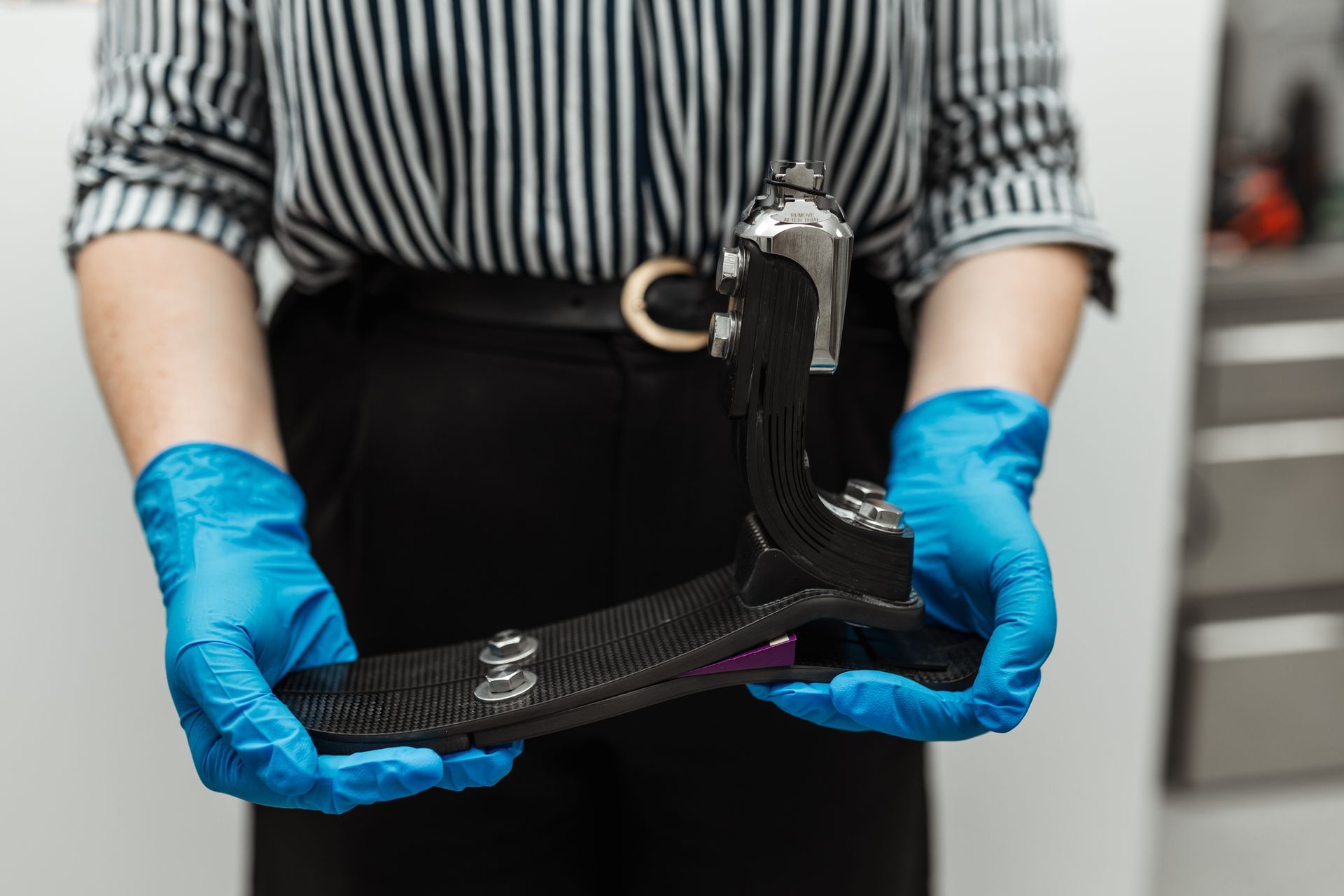
We can also show you cosmetic covers that mimic skin tone and texture for a natural appearance, as well as activity-specific components such as running blades or waterproof feet. The chosen materials will affect weight and durability; lighter carbon fiber options often suit active users better than heavier alternatives.
Getting Ready for a Lower Limb Prosthesis
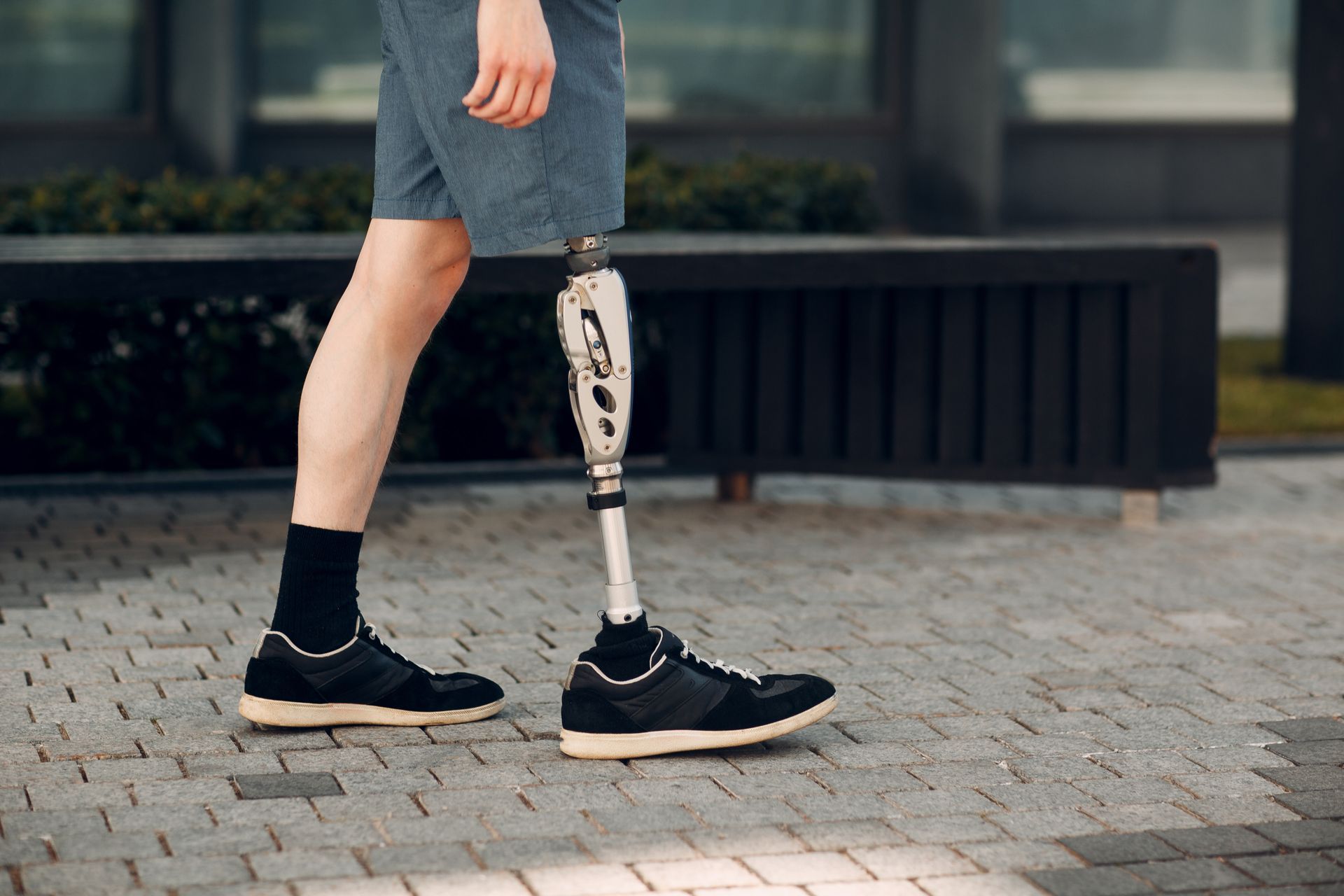
Once healing is on track, gait training begins, teaching the body to balance, shift weight, and walk with a new prosthetic limb. This is where physical therapy comes in — building strength in the hips and core so the prosthesis feels stable rather than like an added burden.
Preparing for an Upper Limb Prosthesis
This prep is also about coordination and control, teaching the body to move the new prosthetic limb with precision. Occupational therapy plays a large role here, building strength and dexterity in the shoulder and the residual limb so the prosthesis responds as it's meant to.
Patience is critical: Learning to trust a new lower or upper limb takes repetition, as the brain adjusts to signals from unfamiliar movement.
Building a Solid Emotional and Physical Foundation for a Limb Prosthesis
Many patients experience grief, frustration, or anxiety alongside the practical work of learning a new device, and those feelings are to be expected. Talking with a counselor or joining a peer support group can ease the transition; in a group, you can connect with others who've gone through similar experiences.
Strength training and stretching are also beneficial, as they keep the residual limb and surrounding muscles ready for daily use. Small, consistent steps, like practicing donning and doffing the device, build confidence faster than trying to master everything at once.
Take the Next Step With a Limb Prosthesis Fitting
Every patient's path looks different, and working with our team from the outset means dedicated support and professional guidance. We offer personalized fittings and an ongoing partnership so patients feel confident using their new limb prosthesis at home, at work, or to pursue their passions. Contact us for an appointment in Kenton County and Boone County, KY; and Dearborn County, IN. Visit one of our two locations in Edgewood, KY, or Lawrenceburg, IN, today!