Why Does My Prosthetic Hurt? 7 Common Causes

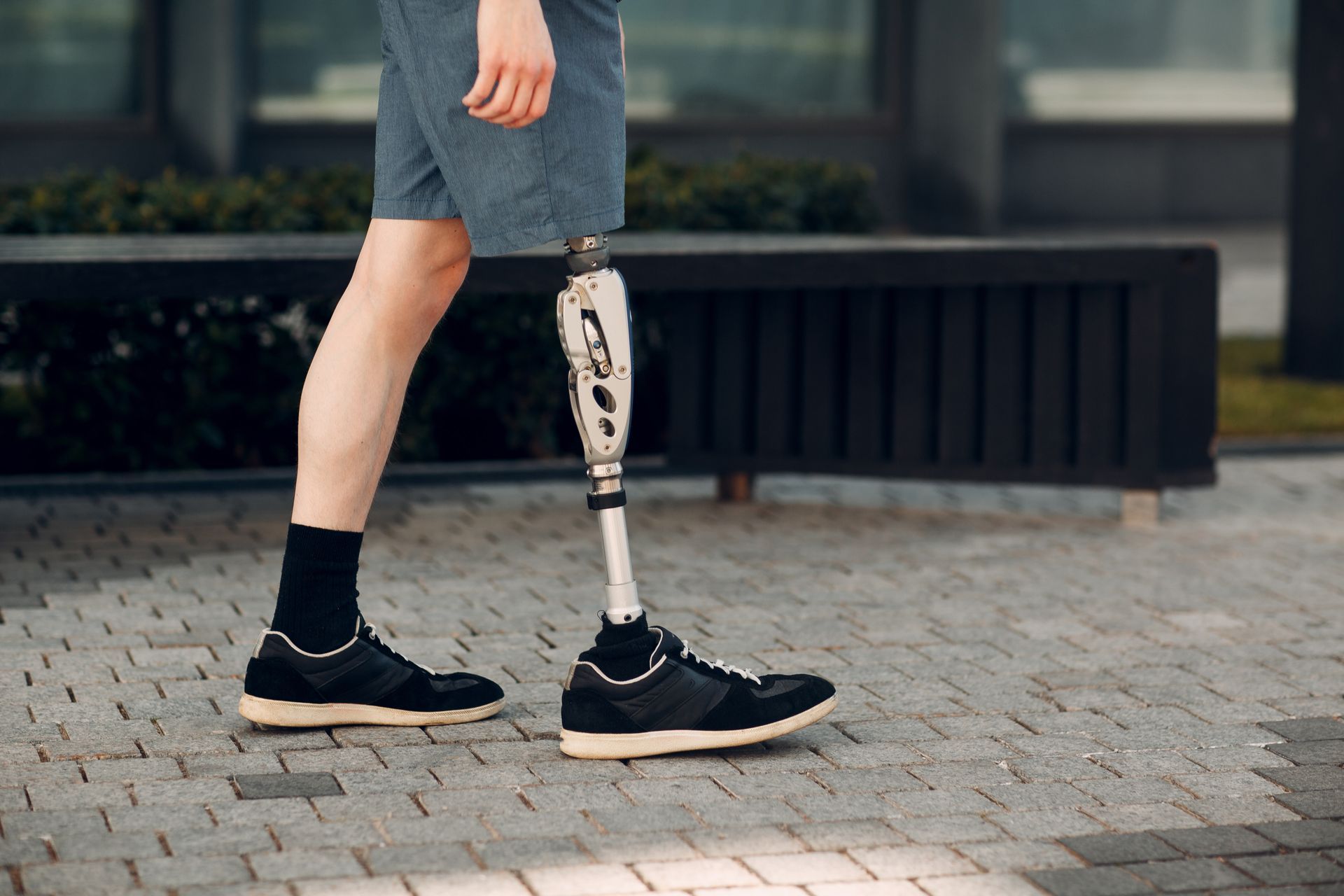
Prosthetic leg pain is more than an annoyance. It can keep you from walking, working, and enjoying the activities you love. The good news is that most discomfort has an identifiable cause, and most causes have a solution. Our experts at Durrett's Orthotics & Prosthetics explain seven common reasons your prosthesis may hurt and what you can do about them.

Do Prosthetic Pain Causes Vary From Person to Person?
Yes. Your activity level, limb shape, skin sensitivity, and type of prosthesis all play a role. Still, we see the following common occurrences for pain:
1. A Poorly Fitting Socket
The socket is the foundation of your prosthesis. If it's too tight, it creates pressure points. If it's too loose, your limb slides and rubs. Either way, residual limb pain is a common result. A socket that once felt perfect may need adjustment as your body changes.
2. Changes in Limb Volume
Your residual limb naturally changes size throughout the day and over time, especially after surgery. Weight changes, fluid retention, and even heat can make a socket feel snug in the morning and loose by afternoon. Extra prosthetic socks may help temporarily, but frequent swings call for a professional evaluation.
3. Skin Irritation and Breakdown
Sweat, friction, and trapped moisture can cause rashes, blisters, and sores. Check your skin morning and night for redness or warm spots, and clean your liner daily. Catching irritation early is far easier than treating a wound later.
4. A Worn or Damaged Liner
Liners cushion your limb, but they don't last forever. Tears, thinning gel, or stretched material reduce protection and create hot spots. If your liner looks worn out, replace it before the pain starts.
5. Alignment Problems
When the foot, knee, and socket aren't lined up properly, your body compensates. That extra strain can show up as prosthetic leg pain in your residual limb, but also in your hips, knees, or lower back.
6. Neuroma or Phantom Limb Pain
Sometimes the pain isn't coming from the device. A neuroma, a bundle of irritated nerve tissue, can cause sharp or burning sensations, and phantom limb pain makes it feel like the missing limb still hurts. Both are real, and both deserve medical attention, so share these symptoms with your care team.
7. Increased Activity or Wear
A new job, a long hike, or a jump in daily steps puts more demand on your prosthesis. Components also wear down over time, which affects both comfort and performance.
Prosthetic Discomfort Solutions You Can Try at Home
Some prosthetic discomfort solutions start with simple habits. Keep your liner and limb clean, adjust your sock ply as your volume changes, and pace yourself while you adjust to a new device. Avoid modifying the socket or components on your own, and never push through pain as that is often your body's signal that something needs attention.
When to See Your Prosthetist
Contact your prosthetist if you notice open sores, persistent redness, swelling, or pain that doesn't ease after you remove the prosthesis. Sudden changes in fit deserve a prompt visit, too. Regular check-ups catch small issues before they become big ones.
We Are Your Source for Prosthetic Care Near Edgewood, KY, and Lawrenceburg, IN
You shouldn't have to live with prosthetic discomfort. At Durrett's Orthotics & Prosthetics, we work with patients to solve comfort and fit problems before they slow you down. Contact us for an appointment. With two locations in Edgewood, KY, and Lawrenceburg, IN, we proudly serve the areas of Kenton County and Boone County, KY; and Dearborn County, IN.