What to Expect During a Prosthetics Consultation

A first prosthetics consultation can stir up as many questions as nerves, especially for someone who has never gone through the process. But at Durrett's Orthotics & Prosthetics, every prosthesis consultation starts with an honest, friendly, professional conversation. We give patients room to ask questions and explain what they really need from their new limb.
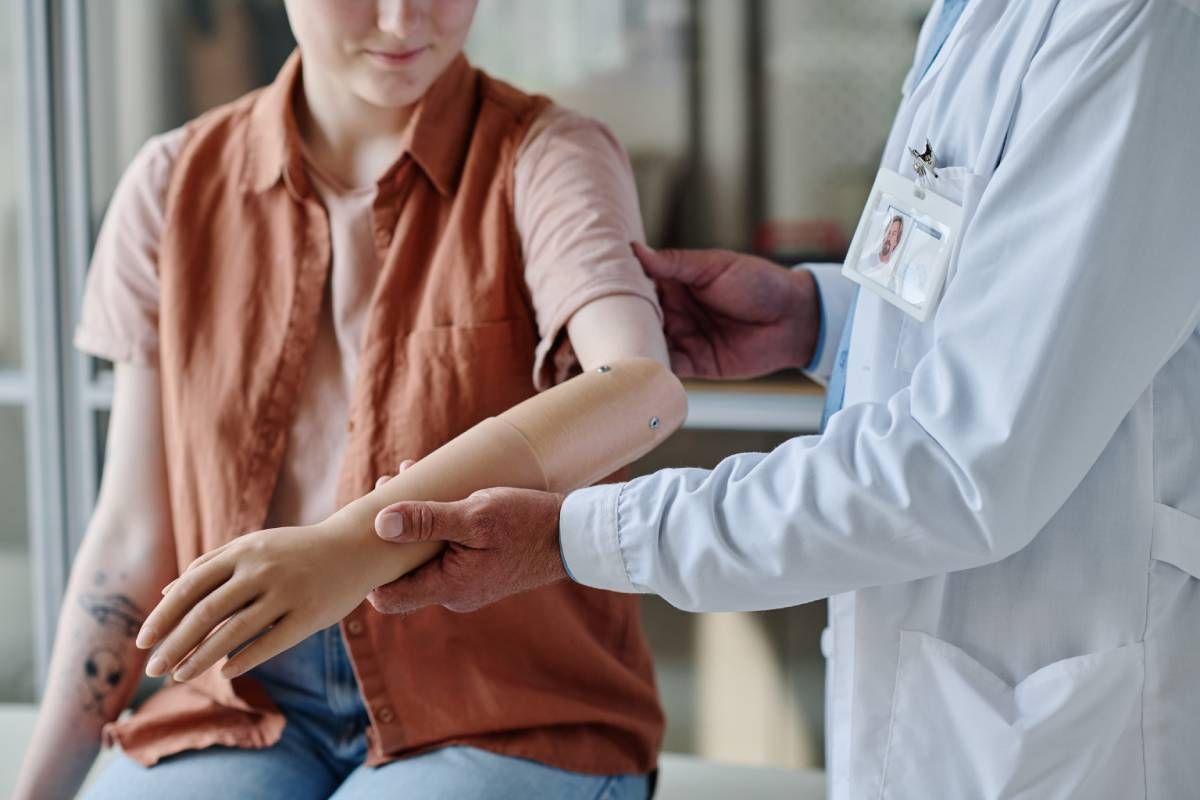
What Is a Prosthetic?
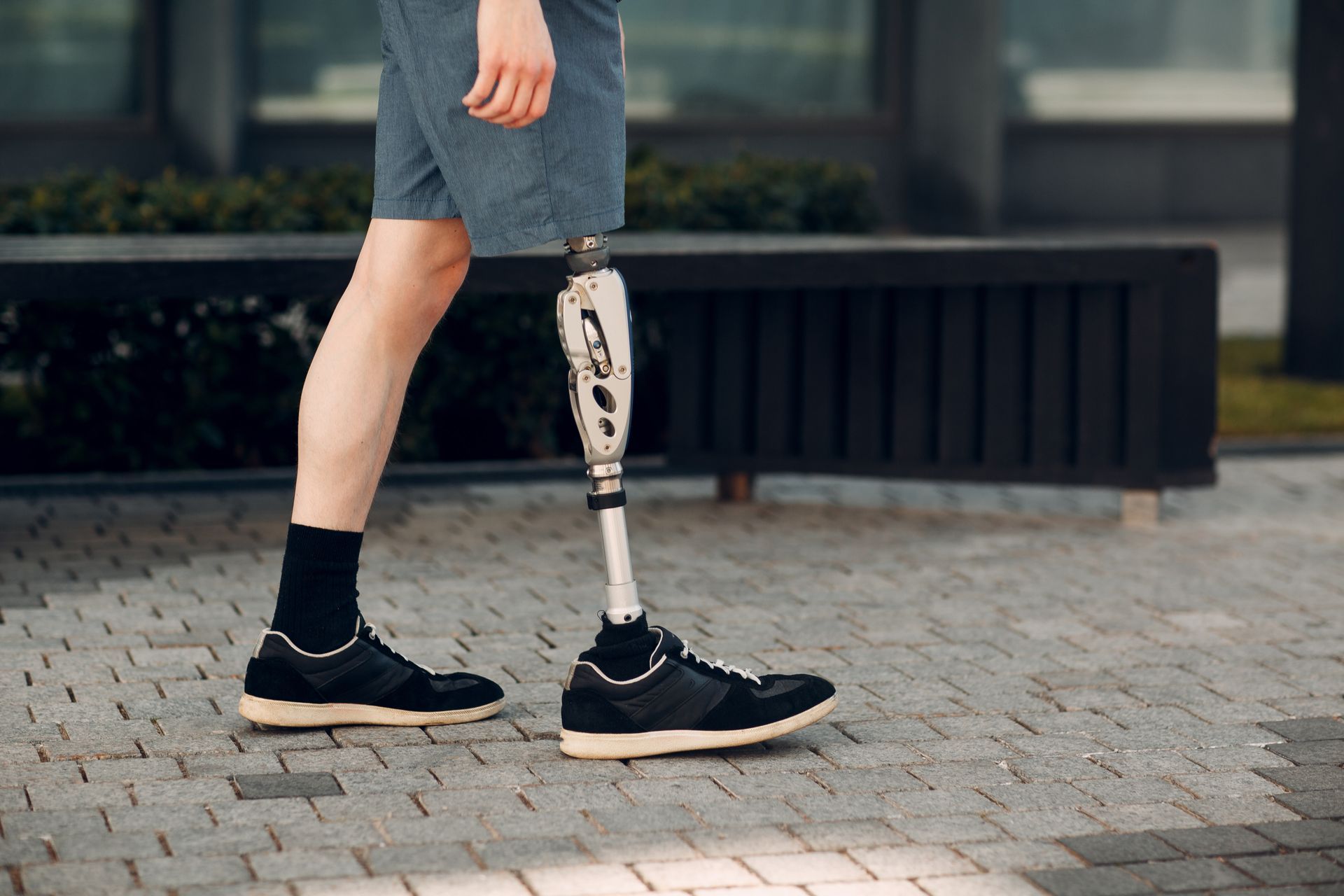
A prosthetic replaces a missing limb or body part, restoring movement and a sense of normalcy after amputation or a congenital limb difference. These modern devices are built from lightweight materials like carbon fiber, titanium, and silicone, which provide durability without adding unnecessary weight.
Prosthetics generally fall into two broad categories, upper limb and lower limb; each build depends on the joints and functions involved. Beyond restoring physical function, a well-fitted prosthetic also supports balance, posture, and long-term joint health —- compensating for a missing limb without proper support strains the rest of the body.
The First Part of a Prosthesis Consultation
After you are greeted, the prosthetist will review your medical history, including past surgeries, recovery, and activity level; they’ll ask about your goals for daily life and mobility. This conversation gives the prosthetist a clearer picture of what you need before a physical exam begins.
Then, they will examine the residual limb, checking skin condition, muscle strength, and range of motion before taking measurements. Scarring, swelling, or sensitive areas can all affect how a socket is built, so the prosthetist may take a cast or a digital scan. Speak up about pain points or sensitive spots early on; patients who do that tend to end up with the most comfortable fits right from the start.
Focusing on Lifestyle Goals
From there, the conversation shifts to the patient’s daily life. Someone who runs needs different components than another person focused mainly on steady, short-distance walking. The prosthetist will also ask how much time a patient can commit to adjustment visits and physical therapy: Adapting to a new prosthesis requires patience and a willingness to attend follow-up appointments.
Covering the Options at a Prosthesis Consultation
Modern prosthetics range from simple mechanical joints to microprocessor-controlled knees and ankles that respond automatically to speed and incline. Patients learn about those during consultations and also choose how the device will look, comparing skin-tone covers and other options. Weight, durability, and maintenance also factor into these decisions.
Insurance and Timelines for a Prosthetic Fitting
Most prosthetics consultations also cover insurance, and costs vary depending on the components and level of customization. A prosthetist or billing coordinator typically walks through the documentation requirements and a general timeline for a prosthetic fitting, fabrication, and delivery.
Preparing For a Smooth Prosthetic Consultation
To help patients make the most of their appointments, we advise them to prepare specific questions about topics they want to dig into, such as components, adjustment periods, and long-term limb care. Other tips include bringing notes about daily activities, work demands, or hobbies. Having the full picture helps the prosthetist partner closely with the patient for the best outcome.
Schedule Your Prosthesis Consultation Today
At Durrett's Orthotics & Prosthetics, our team members know that a strong first consultation paves the way for a quality experience and perfect fit. With two locations, we are here to talk through your options, answer all your questions, and get started on a prosthesis built around you and your lifestyle. Contact us for an appointment! With locations in Edgewood, KY, and Lawrenceburg, IN, we serve the greater Cincinnati tristate area.